What Is an eSIM? A Complete Guide for Travelers in 2025
Staying connected while traveling used to mean hunting for local SIM cards, swapping tiny plastic chips, or paying outrageous roaming fees. Today, there’s a much better solution:eSIM technology.
Whether you're planning an international trip, switching carriers, or simply curious about how mobile connectivity is evolving, this guide explains everything you need to know about what an eSIM is, how it works, and why millions of travelers are adopting it.
What Exactly Is an eSIM?
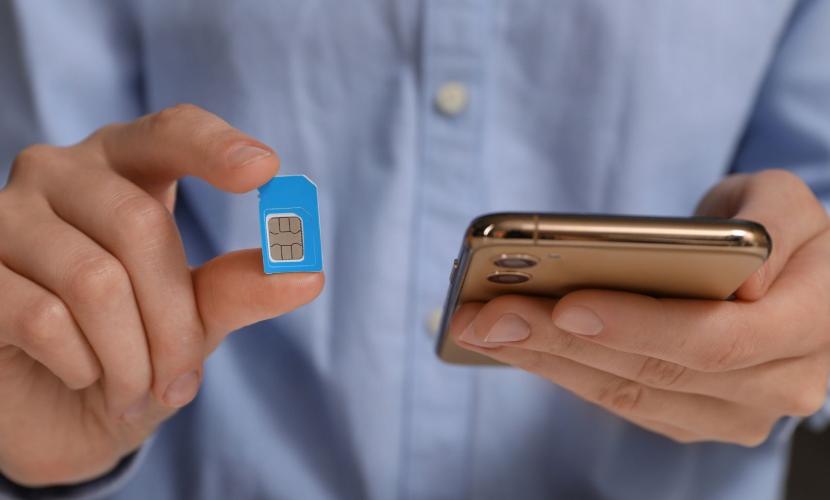
An eSIM (Embedded SIM) is a digital version of the traditional SIM card. Instead of inserting a physical SIM into your phone, the eSIM is built directly into the device’s hardware at the factory.
It performs the exact same function as a physical SIM—connecting you to a mobile network—but without the need for a plastic card.
Think of it as:
A virtual SIM card that can be activated instantly—anytime, anywhere.
How Does an eSIM Work?
With a regular SIM, your device reads information from the plastic card. With an eSIM, your device reads that same information digitally.
Here’s how the activation process usually works:
- You purchase an eSIM plan.
- You receive a QR code or activation code.
- You scan it in your phone settings.
- Your phone downloads the profile and connects to the network.
No stores, no shipping, no waiting.
In most modern smartphones, you can even store multiple eSIM profiles, making it easy to switch between plans when traveling across different countries.
Why eSIMs Are Becoming So Popular
The shift from physical SIMs to digital SIMs is happening quickly—especially among travelers. Here’s why:
1. Instant Activation
You don’t need to visit a store or wait for a SIM card to arrive. Install your eSIM before your trip and activate it the moment you land.
2. Cheaper Than Roaming
International roaming fees are notoriously high. eSIM plans typically offer local data rates, which are far more affordable.
3. No More SIM-Swapping
No more tiny cards to lose, break, or misplace. Because the SIM is built into your device, everything is handled digitally.
4. Multiple Plans on One Device
Many smartphones allow storing several eSIM profiles. This is perfect for multi-country travel, business trips, or using separate work and personal lines.
5. Better Security
A physical SIM can be removed from a stolen phone. An eSIM can't. This makes your device—and your identity—more secure.
6. Eco-Friendly
No plastic SIM cards. No packaging. Just digital connectivity.
Which Devices Support eSIM?
Most new devices already support eSIM, and many brands are moving toward eSIM-only smartphones.
Apple
- iPhone XR, XS, 11, 12, 13, 14, 15, 16, 17 series
- iPhone SE (2nd gen and newer)
- Recent iPad models
Samsung
- Galaxy S20, S21, S22, S23, S24, S25
- Galaxy Z Flip / Fold
- Select A-series (varies by region)
Google Pixel
- Pixel 3 and newer
Other Brands
- Motorola (latest models)
- Oppo, Xiaomi, OnePlus (selected models)
- Many tablets and wearables
If your device is from the last 2–3 years, chances are high that it supports eSIM.
How to Install an eSIM
Although every device brand has its own layout, the overall process is simple.
On iPhone
- Go to Settings.
- Tap Mobile or Cellular.
- Select Add eSIM.
- Scan the QR code or enter activation details.
- Confirm installation.
On Android (Samsung, Pixel, etc.)
- Go to Settings.
- Tap Connections or Network & Internet.
- Select SIM Manager or Add eSIM.
- Scan the QR code.
- Activate the profile.
The entire setup typically takes less than a minute.
Are eSIMs Safe to Use?
Yes. In fact, eSIM technology is generally more secure than physical SIM cards.
Here’s why:
- It cannot be physically removed if your phone is stolen.
- eSIM profiles are protected with encryption.
- Activation uses secure carrier authentication.
- It reduces the risk of SIM-swap fraud, which often relies on physical access to a SIM card.
As long as you purchase your eSIM from a trusted source, you’re good to go.
Do eSIMs Work Everywhere?
Yes. eSIM is available in most major regions, including:
However, coverage and speeds depend on the local mobile networks in each country. Always check whether the plan you’re purchasing supports the countries you’re visiting.
Who Should Use an eSIM?
eSIMs are ideal for:
- Travelers who want affordable data abroad
- Digital nomads
- Remote workers
- Frequent flyers
- Business travelers
- Students studying overseas
- Anyone who wants a second line without using a physical SIM
Even if you’re not traveling, eSIMs make switching carriers far easier.
The Future of Mobile Connectivity
The world is moving rapidly toward eSIM-only devices. Some manufacturers have already removed SIM trays entirely in certain regions, and others are expected to follow.
The benefits are too strong to ignore:
- Faster activation
- No physical hardware
- Higher security
- Better prices for global data
- Cleaner device design
If you want seamless connectivity—especially during international travel—eSIM is the future.
Final Thoughts
eSIM technology is transforming the way we stay connected globally. It’s fast, convenient, secure, and far more flexible than traditional SIM cards. Whether you're planning a trip or simply want an easier way to manage mobile service, an eSIM offers a modern, reliable solution.
If you're considering switching to eSIM for your next journey, now is the perfect time to try it.