eSIM vs Physical SIM for Travel: Which Is Better in 2025?
If you’ve ever landed in a new country, turned off airplane mode, and felt that wave of anxiety about roaming charges… you’re not alone. For years, travelers have relied on physical SIM cards to stay connected abroad. Now, eSIM technology has changed the game.
Instead of swapping plastic cards, you can activate a mobile plan digitally—often in just a few taps. So which option is better when you travel in 2025: an eSIM or a physical SIM? Let’s compare them side by side.
What’s the Difference?
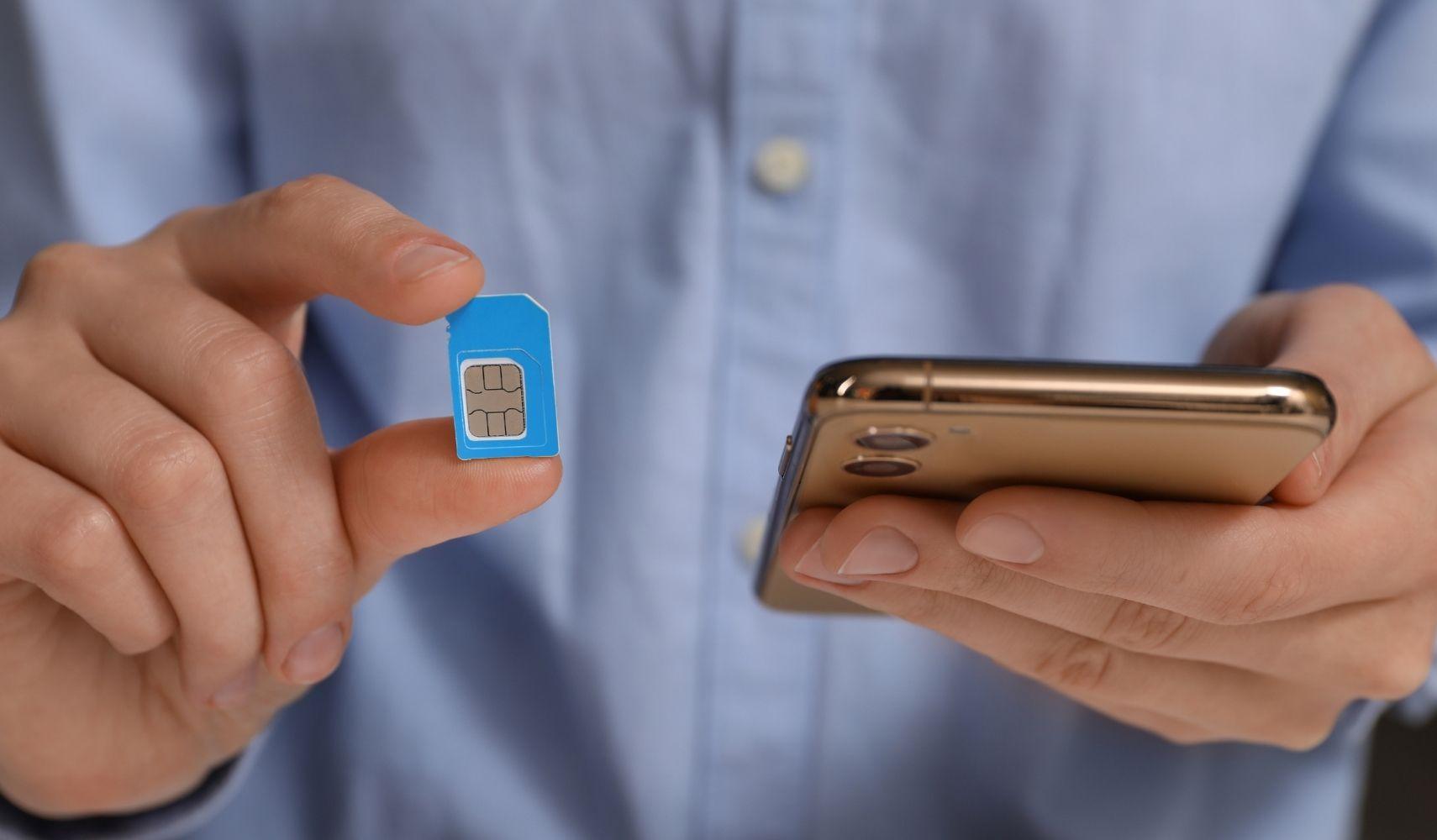
A physical SIM is the small plastic card you insert into your phone. An eSIM (“embedded SIM”) is built into your device and can be programmed digitally with mobile plans.
Both connect you to a mobile network—but the activation and management experience are completely different, especially when traveling.
How Physical SIM Cards Work When You Travel
For years, the typical travel routine involved:
- Landing in a new country.
- Finding a shop or kiosk selling SIM cards.
- Showing your passport for registration.
- Waiting for activation.
- Swapping out your home SIM for the new one.
Benefits of Physical SIMs
- Widely available in almost every country.
- Can include calls & SMS (useful for local verification).
- Works with older phones without eSIM support.
Drawbacks of Physical SIMs
- Inconvenient to buy and requires ID in many countries.
- Must store your original SIM safely while abroad.
- Easy to lose or damage due to small size.
- Not ideal for multi-country trips.
How eSIMs Work When You Travel
An eSIM is built into your device. Instead of inserting a card, you simply:
- Buy an eSIM plan online.
- Receive a QR code or activation code.
- Scan it in your phone settings.
- Get instant connectivity.
Benefits of eSIMs
1. Instant Activation
Install and activate the eSIM before you even fly. When you land, turn off airplane mode and you're connected immediately.
2. No Physical Card
Nothing to insert, remove, or lose. Everything is handled digitally.
3. Multiple Plans on One Device
Store several eSIM profiles and switch easily—perfect for multi-country trips or business travel.
4. Better Cost Control
Most travel eSIMs are prepaid with clear pricing. No surprise roaming charges.
5. More Secure
A thief can't remove a built-in eSIM. Profiles are encrypted and protected by device-level security.
Drawbacks of eSIMs
- Not all phones support eSIM (older models may not work).
- Some travel eSIMs are data-only.
- New users may need a minute to understand how eSIMs work.
Cost Comparison
Physical SIMs: Can be cheap locally, but airport SIMs are often overpriced and you may need a new SIM for each country.
eSIMs: Transparent, prepaid pricing and often cheaper than roaming with your home carrier.
Coverage & Performance
Both eSIMs and physical SIMs rely on local networks. The underlying network is often the same—the difference is how you connect to it.
Convenience While Traveling
With a Physical SIM
- You must store your home SIM safely.
- You may miss calls on your home number.
- Swapping SIMs in multi-country trips becomes messy.
With an eSIM
- Your home number can stay active on your physical SIM.
- No objects to manage or lose.
- Easy to switch between plans across countries.
When a Physical SIM Still Makes Sense
- Your phone doesn’t support eSIM.
- You need a local phone number for calls or SMS verification.
- You’re staying in one country long-term with local plans.
When eSIM Is the Better Choice
- Short trips and vacations.
- Multi-country itineraries.
- Business travelers who need immediate connectivity.
- Frequent travelers and digital nomads.
Side-by-Side Comparison
| Feature | eSIM | Physical SIM |
|---|---|---|
| Setup | Instant, online activation | Buy locally and insert manually |
| Hardware | No card to lose; built into device | Small card that can be lost or damaged |
| Flexibility | Store multiple plans and switch easily | One SIM at a time; swapping required |
| Cost | Usually cheaper than roaming | Can be cheap, but varies by country |
| Security | Cannot be physically removed if phone is stolen | Can be removed or swapped |
| Compatibility | Requires an eSIM-supported phone | Works with nearly all devices |
Conclusion
In 2025, eSIMs have become the smarter and more convenient choice for most travelers. If your phone supports eSIM, you’ll enjoy instant activation, better security, flexible plan switching, and no more dealing with tiny plastic cards.
Physical SIM cards still have their purpose—especially for long-term stays or when you need a local phone number—but for short trips, vacations, and multi-country travel, eSIM offers the best overall experience.